
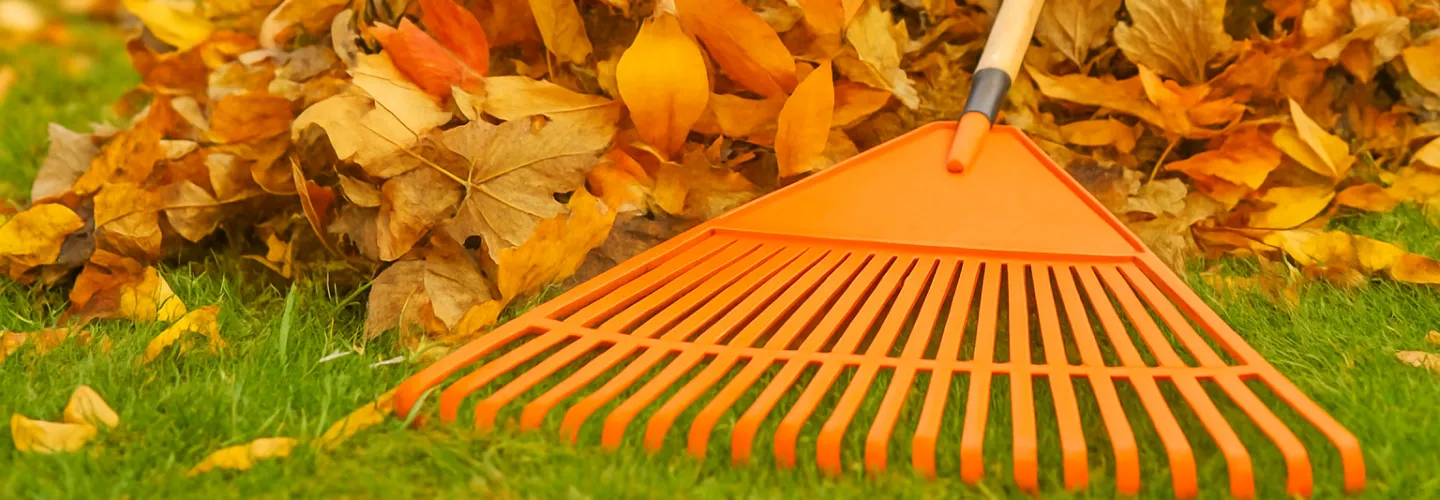
Colonial Country Club Leaf Removal Services
Choose our expert leaf removal service for reliable, thorough cleanup that keeps your property beautiful, healthy, and hassle-free all season long.
Get a Free QuoteOur Colonial Country Club Landscaping & Yard Care Services
When to Schedule Leaf Removal in Colonial Country Club, Florida – Seasonal Guide
In Colonial Country Club, Florida, the best times for leaf removal are typically late fall through early winter and again in early spring. The region’s subtropical climate means that while many trees retain their foliage year-round, oaks and other deciduous species—especially those lining the fairways near the Clubhouse and along Colonial Country Club Boulevard—shed leaves most heavily after the first cool fronts in November and December. Scheduling leaf removal just after these peak drop periods helps maintain curb appeal and prevents leaf buildup that can smother turf or clog drainage systems.
Local environmental factors play a significant role in determining the ideal timing for this service. For example, the area’s high humidity and frequent afternoon showers during summer can accelerate leaf decomposition, but also increase the risk of mold and slippery walkways if leaves are left unattended. Homes backing onto the preserve areas or near the lakes by the tennis courts may experience more leaf accumulation due to prevailing winds. Additionally, understanding the local municipal guidelines for yard waste disposal ensures compliance and environmental responsibility.
Local Factors to Consider for Leaf Removal in Colonial Country Club
- Tree density and species (live oaks, palms, and ornamentals)
- Proximity to water features and preserve areas
- Seasonal rainfall and humidity patterns
- Shade coverage affecting leaf decomposition
- Soil type and drainage capacity
- Neighborhood-specific restrictions or collection schedules
Benefits of Leaf Removal in Colonial Country Club

Enhanced Curb Appeal
Healthier Lawns
Prevention of Lawn Diseases
Time-Saving Service
Professional Equipment
Reliable Scheduling
Colonial Country Club Leaf Removal Types

Curbside Leaf Pickup
-
Full-Service Leaf Removal
-
Leaf Mulching
-
Seasonal Cleanup Services
-
Gutter Leaf Clearing
-
Lawn Vacuuming
-
Bagged Leaf Collection
Our Leaf Removal Process
Site Evaluation
Leaf Gathering
Collection and Removal
Final Inspection
Why Choose Colonial Country Club Landscape Services
Colonial Country Club Homeowners Trust Us
-
Expert Lawn Maintenance
-
Reliable Irrigation Solutions
-
Seasonal Clean-Up Services
-
Professional Tree and Shrub Care
-
Pest and Weed Control
-
Consistent Quality Assurance
-
Responsive Customer Support
Colonial Country Club's Sandy Soils and Year-Round Leaf Accumulation Challenges
Colonial Country Club, situated within the City of Fort Myers in Lee County, Florida, presents distinctive leaf removal considerations shaped by its subtropical climate and sandy Entisol soils. Located in USDA Hardiness Zone 10a, the community experiences year-round foliage drop rather than a single autumn season, with peak accumulation occurring from February through April when live oaks (Quercus virginiana), royal palms (Roystonea regia), and mahogany trees (Swietenia mahagoni) shed simultaneously. The predominant Immokalee fine sand and Oldsmar fine sand soil series—characterized by pH levels of 4.5–6.5 and poor organic matter retention—allow leaf debris to decompose slowly, creating matted layers that impede turf gas exchange within 7–10 days of accumulation. Property owners should research site-specific soil drainage characteristics through the USDA Web Soil Survey and consult UF/IFAS Extension publications on subtropical leaf litter management to understand how Colonial Country Club's flatwoods topography and seasonal water table at 12–24 inches below grade affect decomposition rates and removal timing.
Coordinating Leaf Debris Disposal Through Fort Myers Public Works and Lee County Programs
Leaf removal within Colonial Country Club must comply with the City of Fort Myers yard waste disposal regulations and Lee County solid waste management protocols. Residents should observe the following disposal guidelines:
- Curbside placement: Yard waste must be placed at the curb by 6:00 AM on scheduled collection days
- Accepted materials: Leaves, palm fronds under 6 feet in length, and small branches under 4 inches in diameter
- Container requirements: Biodegradable bags or reusable containers not exceeding 50 pounds; no plastic bags permitted
- Bulk vegetation: Loose piles must not exceed 6 feet in length, 4 feet in width, and 4 feet in height
- Prohibited items: Leaves mixed with household trash, construction debris, or soil
The Colonial Community Development District maintains infrastructure within the community and coordinates with Fort Myers municipal services on drainage and common-area maintenance matters.
City of Fort Myers Public Works
2200 Second Street, Fort Myers, FL 33901
Phone: (239) 321-7000
Official Website: City of Fort Myers Public Works
Colonial Community Development District
219 East Livingston Street, Orlando, FL 32801
Phone: (407) 841-5524
Official Website: Colonial Community Development District
Burning leaf debris is prohibited within Fort Myers city limits under municipal fire prevention codes. Violations may result in fines typically ranging from $100–$500.
Protecting Colonial Country Club's Stormwater Infrastructure During Leaf Removal Operations
Leaf removal activities in Colonial Country Club must account for the community's extensive stormwater management system, which drains into the Caloosahatchee River watershed and ultimately Charlotte Harbor. Under the City of Fort Myers MS4 permit and the Florida Environmental Protection Act, leaf debris must not be swept, blown, or deposited into storm drains, retention ponds, swales, or canal systems. Key environmental compliance requirements include:
- Storm drain setback: Maintain a minimum 10-foot clearance zone around all storm drain inlets during leaf blowing operations
- Retention pond buffers: Do not discharge leaf material within 25 feet of retention pond edges or littoral shelf plantings
- Canal protection: Leaf debris must not enter any canal or waterway connected to the Caloosahatchee estuary system
- Wet-season precautions: During June through October rainy season, remove accumulated leaves within 48 hours to prevent nutrient-laden runoff during storm events
The Florida Department of Environmental Protection (FDEP) oversees stormwater compliance under the Clean Water Act and state MS4 permitting. EPA Region 4 provides additional federal oversight for Southeast Florida watersheds. Excess phosphorus and nitrogen from decomposing leaf matter contribute to algal blooms in the Caloosahatchee, making proper leaf containment during removal operations an environmental priority.
Florida Department of Environmental Protection
2600 Blair Stone Road, Tallahassee, FL 32399
Phone: (850) 245-2118
Official Website: Florida Department of Environmental Protection
Equipment Operation Hours and Safety Standards for Leaf Removal in Colonial Country Club
Commercial and residential leaf removal equipment operation in Colonial Country Club is subject to the City of Fort Myers noise ordinance and community development district standards. Permitted operating hours are:
- Monday–Friday: 7:00 AM – 9:00 PM
- Saturday: 8:00 AM – 9:00 PM
- Sunday and holidays: 9:00 AM – 6:00 PM (verify current restrictions with the city)
Leaf blower noise levels must not exceed 75 decibels at 50 feet from the source in residential zones. All personnel conducting leaf removal should adhere to the following safety protocols:
- Eye protection: ANSI Z87.1 rated safety glasses to guard against airborne particulates
- Hearing protection: Earmuffs or plugs rated for 85+ dB when operating commercial blowers
- Respiratory protection: N95 dust masks recommended during dry-season operations (November–May) when mold spore counts are elevated in decomposing leaf litter
- Footwear: Closed-toe, non-slip shoes; steel-toed boots for operations involving vacuum equipment
- Visibility: High-visibility vests required when working within 50 feet of roadways or golf cart paths
The National Weather Service Miami office should be monitored for heat advisories, as Colonial Country Club's summer heat index frequently exceeds 105°F, necessitating mandatory hydration breaks every 20–30 minutes during outdoor leaf removal work.
How Colonial Country Club's Tropical Canopy Affects Leaf Removal Timing and Frequency
Unlike northern climates with a concentrated autumn leaf drop, Colonial Country Club's subtropical landscape produces continuous foliage cycling that demands a year-round leaf removal schedule. The following seasonal patterns guide recommended service frequency:
- January–March (dry season peak): Live oaks shed approximately 30–50% of their canopy over 4–6 weeks; removal every 5–7 days recommended
- April–May (transition): Royal poinciana (Delonix regia) and black olive (Bucida buceras) begin heavy leaf and flower drop; weekly service advisable
- June–September (wet season): Reduced leaf fall but rapid decomposition creates matted debris; biweekly removal with attention to drainage swales
- October–December (late hurricane season): Storm-damaged foliage and wind-deposited debris may require emergency removal within 48–72 hours of tropical weather events
The Lee County Forester's office provides guidance on protected tree species within the community, including gumbo limbo (Bursera simaruba) and sabal palm (Sabal palmetto), which require careful handling during leaf removal to avoid trunk or root damage.
Florida Forest Service – Lee County Forester
10941 Palm Beach Boulevard, Fort Myers, FL 33905
Phone: (239) 690-3500
Official Website: Florida Forest Service County Foresters
Property owners may also consult the USDA Plant Hardiness Zone Map to confirm zone 10a classifications and understand how Colonial Country Club's frost-free growing season of approximately 340–355 days influences continuous canopy turnover.
What Streets and Subdivisions Do We Serve Throughout Colonial Country Club, FL?
- Colonial Boulevard Corridor: Properties along this primary east-west thoroughfare feature mature live oak canopies producing heavy leaf accumulation year-round, with sandy Immokalee soils requiring frequent debris clearance to prevent turf smothering and drainage obstruction near roadside swales.
- Cypress Lake Drive Area: Homes near Cypress Lake experience elevated leaf and frond drop from bald cypress and sabal palms, with seasonal water table fluctuations at 12–18 inches creating saturated conditions that complicate equipment access during wet-season months.
- The Golf Course Perimeter Streets: Residences bordering the Colonial Country Club golf course encounter windblown leaf debris from fairway-adjacent mahogany and royal palm plantings, requiring coordinated removal schedules to prevent material from entering course irrigation and retention systems.
- Winkler Road Subdivision Blocks: This western section features newer development with smaller lot sizes and limited canopy, though black olive trees along property lines generate persistent small-leaf litter that accumulates rapidly in landscape beds and along fence lines.
- Whiskey Creek Adjacent Properties: Homes near the Whiskey Creek canal system must observe 25-foot buffer requirements during leaf removal to prevent organic debris from entering waterways connected to the Caloosahatchee River estuary, with particular attention during June–October storm events.