
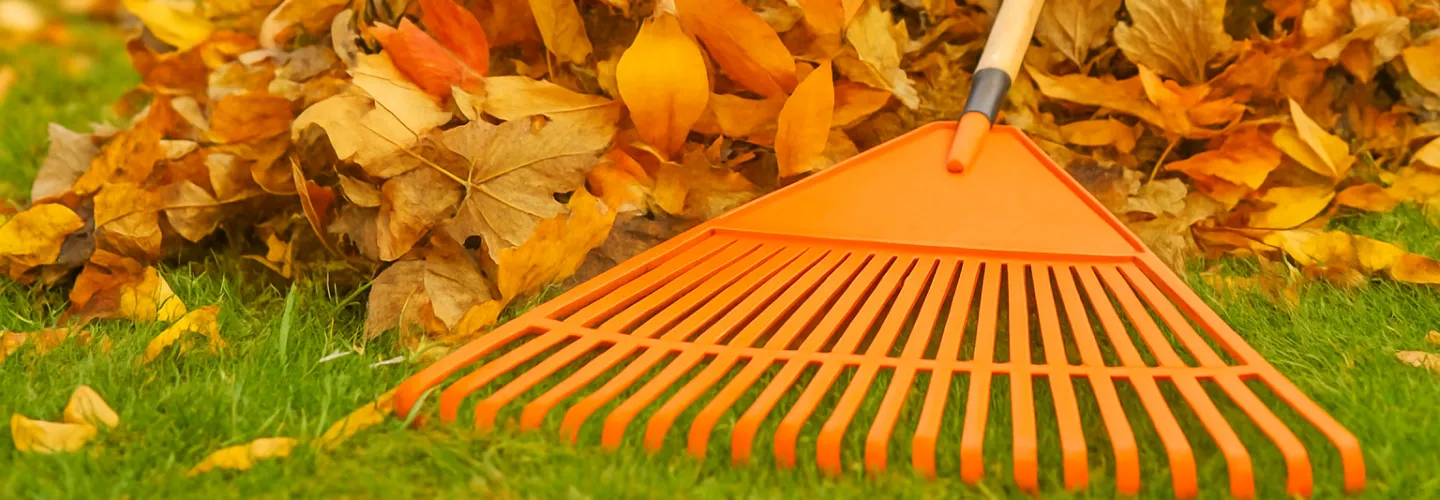
Colonial Country Club Weeding Services
Choose our weeding services for meticulous care that keeps your landscape healthy, beautiful, and free from unwanted growth—ensuring your outdoor spaces always look their best.
Get a Free QuoteOur Colonial Country Club Landscaping & Yard Care Services
When to Schedule Weeding in Colonial Country Club, Florida – Seasonal Guide
In Colonial Country Club, Florida, the timing of weeding is crucial for maintaining healthy, attractive landscapes throughout the year. The region’s subtropical climate means that weeds can thrive nearly year-round, but the most effective weeding typically occurs in early spring and late fall. These periods align with the area’s moderate temperatures and increased soil moisture, making it easier to remove weeds before they become established. Neighborhoods near the Colonial Country Club Golf Course and along Colonial Country Club Boulevard often experience unique microclimates due to shade from mature trees and proximity to water features, which can influence weed growth patterns.
Local environmental factors such as high humidity, sandy soils, and the risk of summer droughts play a significant role in determining the best weeding schedule. For example, areas with dense shade—like those near the Clubhouse or the preserve trails—may require more frequent attention due to persistent moisture and slower soil drying. It’s also important to consider the last frost date, typically in late January, as well as any municipal guidelines that may affect landscaping practices in the community.
Local Factors to Consider for Weeding in Colonial Country Club
- Tree density and shade coverage, especially near golf course fairways and preserve areas
- Soil type (sandy or loamy soils common in the region)
- Seasonal precipitation and risk of summer drought
- Proximity to water features or retention ponds
- Municipal restrictions or HOA guidelines on landscaping
- Terrain variations, such as sloped yards or low-lying areas prone to pooling
Benefits of Weeding in Colonial Country Club
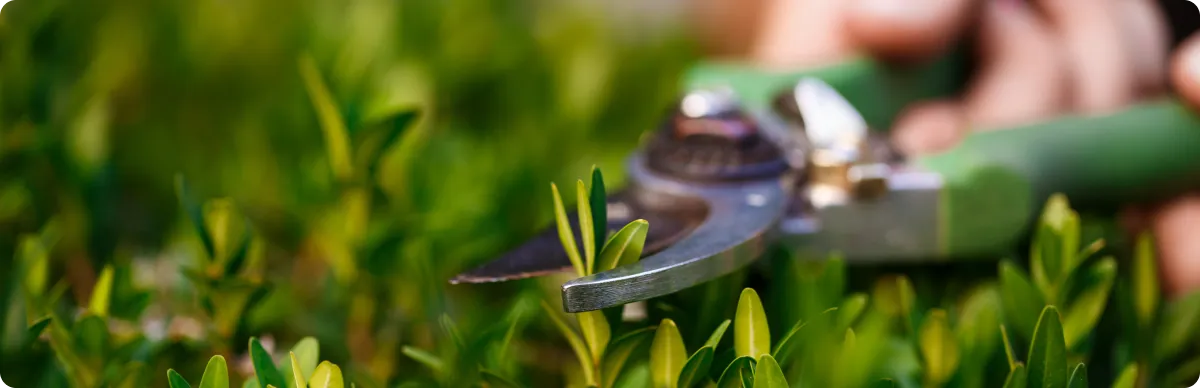
Enhanced Curb Appeal
Healthier Plant Growth
Reduced Pest Infestation
Improved Soil Quality
Increased Property Value
Professional Landscaping Expertise
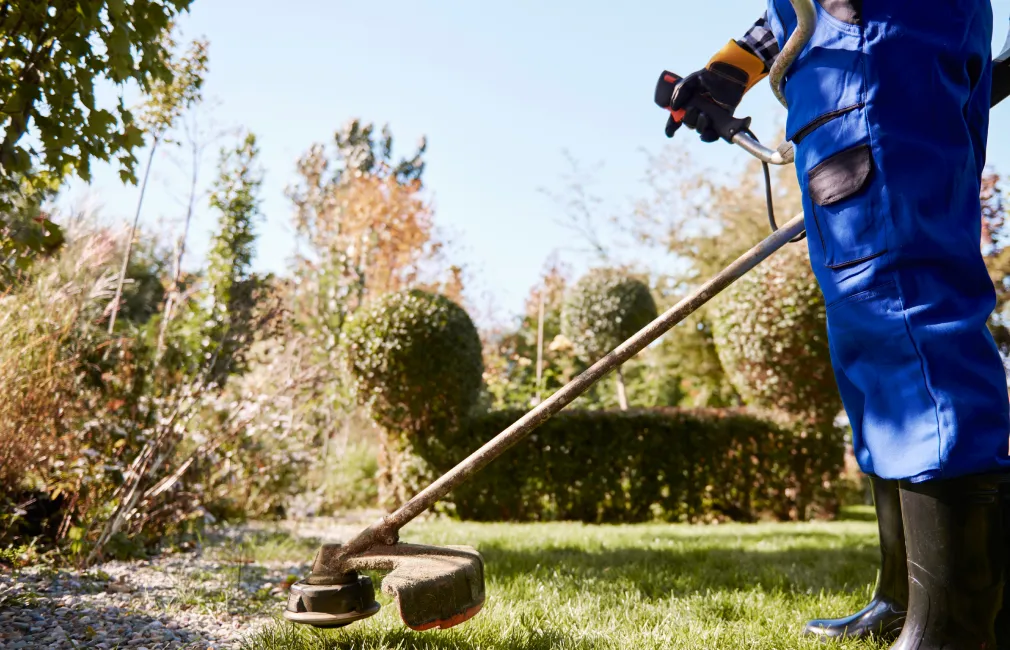
Colonial Country Club Weeding Types

Hand Weeding
-
Mechanical Weeding
-
Chemical Weed Control
-
Mulching for Weed Suppression
-
Pre-Emergent Weed Control
-
Post-Emergent Weed Control
-
Organic Weed Management
Our Weeding Process
Site Evaluation
Weed Identification
Manual Removal
Soil Cultivation
Preventative Measures
Why Choose Colonial Country Club Landscape Services
Colonial Country Club Homeowners Trust Us
-
Expert Lawn Maintenance
-
Reliable Irrigation Solutions
-
Seasonal Clean-Up Services
-
Professional Tree and Shrub Care
-
Pest and Weed Control
-
Consistent Quality Assurance
-
Responsive Customer Support
How Colonial Country Club's Sandy Entisol Soils Influence Weed Growth Patterns
Colonial Country Club, a residential community within the City of Fort Myers in Lee County, Florida, sits within USDA Hardiness Zone 10a, where year-round warm temperatures and sandy Entisol soils create persistent weed pressure. The predominant Immokalee fine sand and Oldsmar fine sand soil series, identifiable through the USDA Web Soil Survey, feature low organic matter content (typically under 2%), acidic pH ranging from 4.5 to 6.0, and rapid drainage characteristics. These conditions favor aggressive warm-season weeds including:
- Dollarweed (Hydrocotyle spp.): Thrives in moist, poorly graded areas near retention ponds and swales
- Chamberbitter (Phyllanthus urinaria): Proliferates in sandy soils with low fertility during summer months (May–October)
- Torpedo grass (Panicum repens): Spreads aggressively through rhizomes in sandy flatwoods soils
- Crabgrass (Digitaria spp.): Germinates when soil temperatures exceed 55°F, typically by mid-February in Colonial Country Club
Soil testing through UF/IFAS Extension Lee County costs approximately $7–$10 per sample and provides pH, nutrient, and organic matter data essential for developing targeted weed suppression strategies. Amending sandy soils with 2–3 inches of composted organic material tilled to a 6-inch depth improves moisture retention and reduces weed seed germination rates.
Navigating Fort Myers Code Enforcement Standards for Property Weed Maintenance
Colonial Country Club falls under the City of Fort Myers municipal code, which establishes specific property maintenance standards affecting weed control obligations. Fort Myers Code of Ordinances requires that all residential lots maintain turf and vegetation at a height not exceeding 12 inches. Properties found in violation are subject to code enforcement action, which may include fines beginning at $50 per day after the initial notice period of typically 7–14 days. The Colonial Community Development District (CDD) may impose additional landscape maintenance standards beyond city requirements.
Key compliance requirements include:
- Vegetation height must not exceed 12 inches on any residential parcel
- Overgrown lots may receive a notice of violation with a compliance deadline
- Repeated violations may result in municipal abatement with costs assessed to the property owner
- Vacant lots are subject to the same maintenance standards as occupied properties
Property owners should coordinate with both the City of Fort Myers and the Colonial CDD to confirm applicable standards.
Colonial Community Development District
1001 Bradford Way, Kingston, NC 28501
Phone: (239) 245-7118
Official Website: Colonial Community Development District
City of Fort Myers Building Permitting and Inspections
2200 Second Street, Fort Myers, FL 33901
Phone: (239) 321-7910
Official Website: City of Fort Myers Building Permitting and Inspections
Protecting Colonial Country Club's Retention Ponds and Stormwater Infrastructure During Weeding
Colonial Country Club's network of retention ponds, drainage swales, and stormwater conveyances operates under the City of Fort Myers MS4 permit, regulated by the Florida Department of Environmental Protection (FDEP) and subject to Clean Water Act provisions enforced through EPA Region 4. Weeding activities near these water features require strict environmental compliance to prevent sediment discharge and herbicide contamination.
Mandatory environmental protocols include:
- Maintain a minimum 25-foot no-disturbance buffer from the edge of retention ponds and canal banks
- No herbicide application within 50 feet of surface water bodies unless the product label specifically permits aquatic-adjacent use
- Pulled weed material must be collected and removed—never deposited into swales, storm drains, or retention areas
- Sediment barriers (silt fencing or wattles) should be installed when weeding on slopes exceeding 5% grade adjacent to waterways
- Only herbicides registered with the Florida Department of Agriculture and Consumer Services (FDACS) may be applied
The Florida Environmental Protection Act governs stormwater quality standards, and violations involving discharge of yard debris or chemicals into the MS4 system may result in enforcement action.
City of Fort Myers Public Works
2200 Second Street, Fort Myers, FL 33901
Phone: (239) 321-7000
Official Website: City of Fort Myers Public Works
Optimal Weeding Schedules for Colonial Country Club's Year-Round Growing Season
Fort Myers' subtropical climate, monitored by the National Weather Service Tampa Bay office, produces a nearly continuous growing season that demands strategic weeding schedules. Average annual rainfall of approximately 55 inches, concentrated during the wet season from June through September, accelerates weed germination and growth throughout Colonial Country Club. Effective timing protocols include:
- Pre-emergent application window: Apply granular pre-emergent herbicide in mid-February when soil temperatures reach 55°F at a 4-inch depth, and again in early September for winter annual weed suppression
- Peak manual weeding period: June through August, when warm-season weeds grow most aggressively—schedule hand-pulling or mechanical removal every 2–3 weeks
- Dry season maintenance: November through April, reduce weeding frequency to monthly inspections and spot treatments
- Post-rain timing: Conduct hand-pulling 24–48 hours after rainfall events when soil moisture loosens root systems for more complete extraction
- Heat safety: Schedule outdoor weeding before 10:00 AM or after 4:00 PM during summer months when heat index values regularly exceed 105°F
The USDA Plant Hardiness Zone Map confirms Colonial Country Club's Zone 10a classification, where frost events are rare and weed dormancy periods are minimal. Residents may consult UF/IFAS Extension for region-specific weed identification guides and integrated pest management calendars tailored to Lee County conditions.
Florida Herbicide Applicator Licensing and Residential Weeding Regulations
Any individual applying restricted-use herbicides for weed control in Colonial Country Club must hold a valid Florida pesticide applicator license issued by the Florida Department of Agriculture and Consumer Services (FDACS). Homeowners applying general-use herbicides on their own property are exempt from licensing requirements, but commercial operators and contractors must comply with Florida Statute Chapter 487, the Florida Pesticide Law. Key regulatory requirements include:
- Commercial applicator license: Required for any person applying herbicides for compensation; examination administered by FDACS
- Limited commercial certification: Available for landscape maintenance professionals performing routine weed control
- Recordkeeping: Licensed applicators must maintain application records for a minimum of 2 years, documenting product name, EPA registration number, application rate, date, and location
- Restricted-use products: Require a private or commercial applicator license; products such as certain formulations of atrazine carry additional restrictions in Lee County due to groundwater vulnerability
- Buffer compliance: Florida's Green Industries Best Management Practices (GI-BMP) training is required for commercial fertilizer applicators and strongly recommended for herbicide applicators working near water bodies
Florida Department of Health in Lee County – Environmental Health
2115 Second Street, Fort Myers, FL 33901
Phone: (239) 690-2100
Official Website: Florida Department of Health in Lee County Environmental Health
What Streets and Subdivisions Do We Serve Throughout Colonial Country Club, FL?
- Colonial Boulevard Corridor: Properties along Colonial Boulevard near the golf course feature mature St. Augustinegrass lawns on Immokalee fine sand soils with high dollarweed and sedge pressure due to irrigation runoff and shallow water tables typical of this central corridor.
- Pebble Creek Subdivision: Homes in the Pebble Creek area adjacent to retention ponds experience persistent torpedo grass and aquatic weed encroachment, requiring careful herbicide selection to comply with the 25-foot waterway buffer and CDD landscape standards.
- Inverness Area near Colonial Country Club Golf Course: Lots bordering the golf course feature sandy flatwoods soils with low organic matter, promoting chamberbitter and spurge infestations during the wet season months of June through September.
- Cypress Cove Section: This subdivision's cul-de-sac layout and mature tree canopy create partial-shade conditions that favor shade-tolerant weeds such as Florida betony (Stachys floridana) and artillery weed (Pilea microphylla), requiring targeted post-emergent treatment.
- Sabal Palm Drive and Surrounding Streets: Properties along Sabal Palm Drive near community common areas contend with crabgrass and goosegrass along turf edges and sidewalk joints, where compacted sandy fill soils and foot traffic reduce turfgrass density and create weed establishment opportunities.