
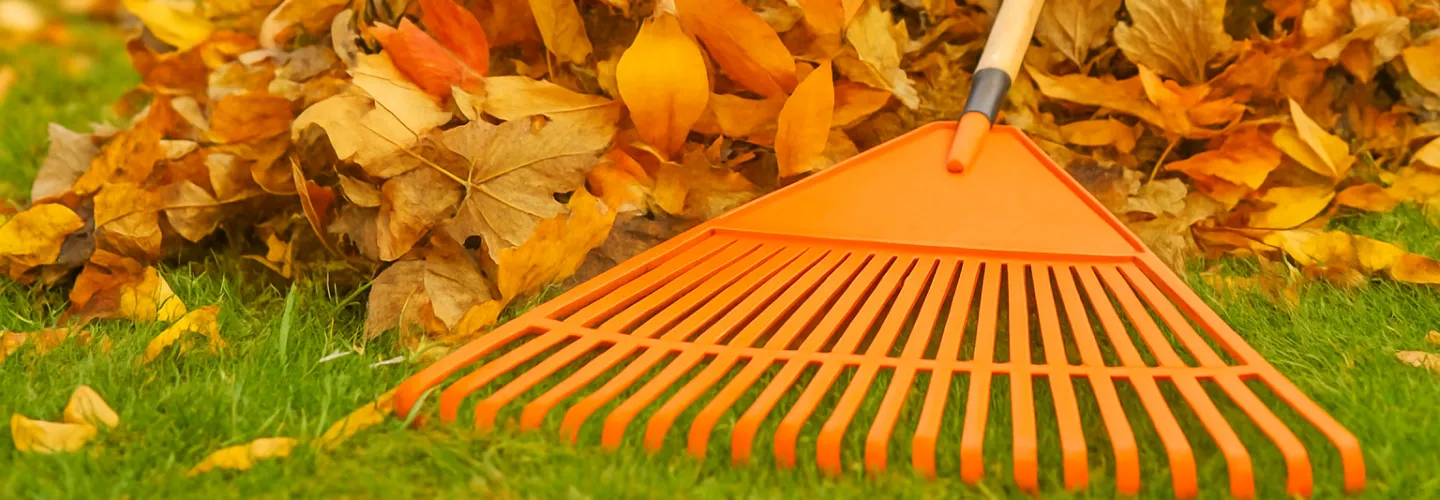
Colonial Country Club Green Waste Disposal Services
Choose our Green Waste Disposal for reliable, environmentally responsible service that keeps your property pristine while supporting a healthier planet.
Get a Free QuoteOur Colonial Country Club Landscaping & Yard Care Services
When to Schedule Green Waste Disposal in Colonial Country Club, Florida – Seasonal Guide
In Colonial Country Club, Florida, the timing of green waste disposal is closely tied to the region’s subtropical climate and unique landscape features. The optimal periods for scheduling this service are typically late winter through early spring and again in late summer, aligning with the area’s primary growing and pruning seasons. These windows help homeowners in neighborhoods like Jasmine Pointe and Oak Hill manage yard debris efficiently, especially before the onset of heavy summer rains or after the last frost date, which usually falls in early February.
Local environmental factors such as high humidity, periodic drought risk, and the prevalence of shade from mature oaks and palms all play a role in determining the best disposal schedule. Soil composition in Colonial Country Club—often sandy with pockets of clay—can affect how quickly organic material breaks down, making timely removal essential for maintaining healthy lawns and gardens. For more information on local environmental guidelines, visit the Sudbury municipal resource.
Local Factors to Consider for Green Waste Disposal in Colonial Country Club
- Tree density and types (e.g., palms, live oaks, and pines)
- Seasonal precipitation patterns and hurricane preparedness
- Terrain variations, including low-lying or shaded areas
- Municipal restrictions and scheduled pickup dates
- Proximity to golf courses, lakes, and protected wetlands
Benefits of Green Waste Disposal in Colonial Country Club
Eco-Friendly Landscaping Solutions
Efficient Green Waste Removal
Improved Curb Appeal
Compliance With Local Regulations
Healthier Outdoor Spaces
Cost-Effective Waste Management
Colonial Country Club Green Waste Disposal Types

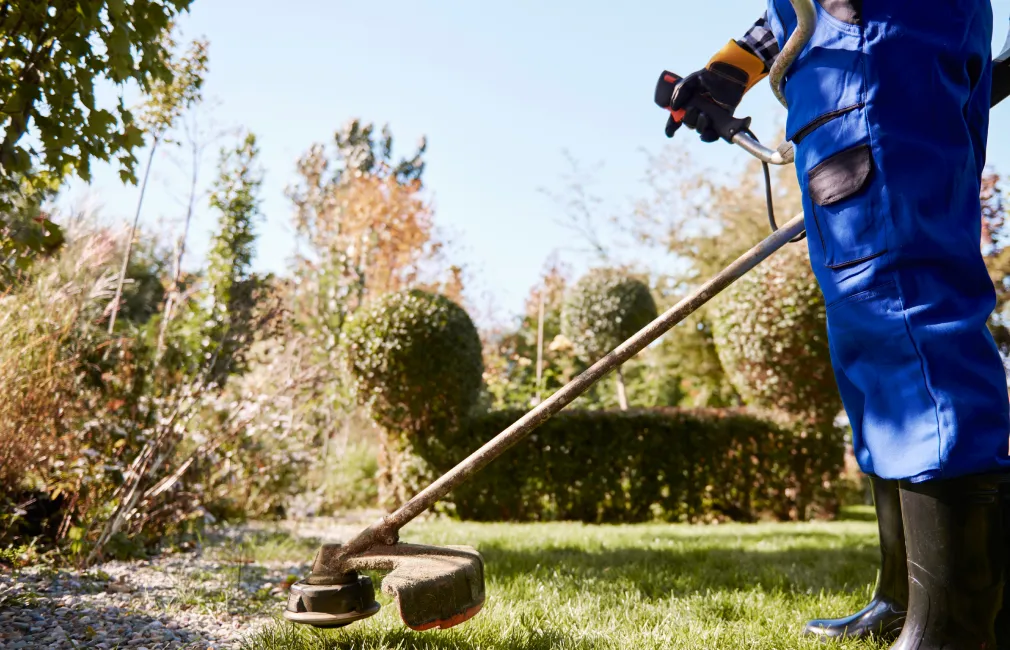
Grass Clippings Removal
-
Tree Limb Disposal
-
Leaf Collection
-
Shrub and Hedge Trimming Waste
-
Garden Debris Recycling
-
Mulch and Composting Services
-
Sod and Soil Disposal
Our Green Waste Disposal Process
Collection of Green Waste
Sorting and Separation
Transport to Disposal Facility
Eco-Friendly Processing
Why Choose Colonial Country Club Landscape Services
Colonial Country Club Homeowners Trust Us
-
Expert Lawn Maintenance
-
Reliable Irrigation Solutions
-
Seasonal Clean-Up Services
-
Professional Tree and Shrub Care
-
Pest and Weed Control
-
Consistent Quality Assurance
-
Responsive Customer Support
Coordinating Green Waste Disposal Through Fort Myers Public Works and Lee County Programs
Colonial Country Club, a residential community within the City of Fort Myers in Lee County, falls under Fort Myers municipal waste collection regulations and Lee County Solid Waste Division oversight. Green waste—including grass clippings, leaves, palm fronds, and brush—must be placed curbside in bundles no longer than 4 feet and no heavier than 50 pounds. Acceptable preparation methods include:
- Loose yard waste: Placed in 32-gallon containers (no plastic bags)
- Brush and branches: Bundled with biodegradable twine, maximum 4 inches in diameter
- Palm fronds: Cut to 4-foot lengths, stacked neatly at curbside
- Prohibited materials: Treated lumber, stumps over 4 inches diameter, soil, rocks, and plastic bags
Residents should separate green waste from household trash and recycling to avoid collection delays. The Colonial Community Development District coordinates infrastructure maintenance within the community, but curbside waste collection is administered through the city's contracted hauler.
City of Fort Myers Public Works
2200 Second Street, Fort Myers, FL 33901
Phone: (239) 321-7000
Official Website: City of Fort Myers Public Works
How Colonial Country Club's Sandy Entisol Soils Affect Yard Debris Decomposition
The soils underlying Colonial Country Club consist predominantly of sandy Entisols characteristic of southwest Florida's coastal plain, including Immokalee fine sand and Myakka fine sand series. These excessively drained soils feature a pH range of 4.5–6.5 and contain minimal organic matter, typically less than 2 percent in the upper horizon. This composition directly affects green waste management in several ways:
- Rapid drainage: Yard debris left on sandy soils does not retain moisture for natural decomposition, requiring active composting or municipal collection
- Low nutrient retention: Grass clippings left in place decompose quickly but nutrients leach through the sand profile within 48–72 hours
- Organic matter benefit: Composted green waste returned to these soils improves water-holding capacity by 10–20 percent per inch of incorporated material
- Seasonal volume: Year-round growing conditions in USDA Hardiness Zone 10a produce continuous green waste, unlike seasonal climates
Property owners can verify their specific soil series through the USDA Web Soil Survey and consult UF/IFAS Extension for composting guidance tailored to Lee County's sandy substrates.
Protecting the Caloosahatchee River Watershed During Green Waste Collection
Colonial Country Club lies within the Caloosahatchee River watershed, making proper green waste disposal a matter of environmental compliance under the Florida Environmental Protection Act and the Clean Water Act. The Florida Department of Environmental Protection administers the MS4 stormwater permit program, which prohibits yard waste, grass clippings, and organic debris from entering storm drains, swales, or surface waters. Key compliance requirements include:
- No blowing or sweeping clippings into streets, gutters, or stormwater inlets
- 25-foot minimum buffer from canal banks and retention ponds for staging green waste
- No dumping of yard debris into drainage swales, canals, or wetland areas
- Nutrient management: Decomposing green waste in waterways contributes excess nitrogen and phosphorus, exacerbating algal blooms in the Caloosahatchee estuary
The South Florida Water Management District monitors water quality throughout the Caloosahatchee basin, and violations of stormwater discharge standards can result in enforcement actions. EPA Region 4 oversees federal compliance for southeast states including Florida.
Florida Department of Environmental Protection
2600 Blair Stone Road, Tallahassee, FL 32399
Phone: (850) 245-2118
Official Website: Florida Department of Environmental Protection
Seasonal Timing and Hurricane Debris Protocols for Colonial Country Club
Southwest Florida's subtropical climate produces green waste year-round, but volume peaks and storm events require strategic planning. Colonial Country Club residents should anticipate the following seasonal patterns:
- Peak growing season (May–October): St. Augustinegrass and tropical plantings generate maximum clipping and pruning volume; weekly collection is essential during this period
- Dry season (November–April): Reduced growth but increased leaf drop from deciduous species such as bald cypress (Taxodium distichum) and gumbo limbo (Bursera simaruba)
- Hurricane season (June 1–November 30): Pre-storm pruning of dead fronds and weak branches should occur before tropical weather threats; post-storm debris follows emergency collection protocols
Following a named storm, the City of Fort Myers typically activates emergency debris collection through FEMA-coordinated contractors. Residents must separate vegetative storm debris from construction materials and place it curbside without blocking roadways or drainage structures. The National Weather Service Miami office provides tropical weather advisories for Lee County. Pre-hurricane yard preparation—removing loose coconuts, trimming dead palm boots, and securing lightweight yard items—reduces post-storm green waste volume by an estimated 30–40 percent.
City of Fort Myers Parks and Recreation
2200 Second Street, Fort Myers, FL 33901
Phone: (239) 321-7530
Official Website: City of Fort Myers Parks and Recreation
Navigating Colonial Community Development District Standards for Yard Maintenance
The Colonial Community Development District (CDD) maintains infrastructure including stormwater systems, common area landscaping, and community roadways within Colonial Country Club. While the CDD does not directly collect residential green waste, its standards affect how property owners manage yard debris. Residents should be aware of the following district-related considerations:
- Common area buffers: Green waste must not be deposited on CDD-maintained common areas, medians, or retention pond banks
- Stormwater infrastructure: Yard debris blocking CDD-maintained swales or catch basins can cause localized flooding and may result in code enforcement action
- Landscape standards: The CDD enforces community appearance standards that require timely removal of accumulated yard waste, dead vegetation, and pruning debris
- Coordination with haulers: Residents are responsible for ensuring green waste is properly prepared and placed at their individual curbside, not on shared or CDD property
For questions regarding district-maintained infrastructure or landscape compliance, residents may contact the Colonial Community Development District directly.
Colonial Community Development District
2300 Glades Road, Suite 410W, Boca Raton, FL 33431
Phone: (561) 571-0010
Official Website: Colonial Community Development District
What Streets and Subdivisions Do We Serve Throughout Colonial Country Club, FL?
- Colonial Boulevard Corridor: Properties along this primary east-west thoroughfare feature mature royal palms and live oaks that generate substantial frond and leaf debris year-round, with sandy Myakka soils draining rapidly and requiring prompt curbside staging before collection days.
- Tee Time Circle and Fairway Drive Area: Homes adjacent to the golf course experience heavy clipping volume from St. Augustinegrass lawns and ornamental hedge trimmings, with flat terrain and open lot configurations allowing straightforward curbside access for green waste pickup.
- Pebble Beach Boulevard Subdivision: This residential section near community retention ponds requires careful green waste placement to prevent organic material from entering stormwater management areas, with a 25-foot buffer from pond edges recommended for debris staging.
- Augusta Circle and Cypress Lake Drive: Established homes along these streets feature dense tropical landscaping including coconut palms, hibiscus, and bougainvillea, producing year-round pruning waste that must be bundled to 4-foot lengths for collection compliance.
- Royal Palm Drive and Pinehurst Lane: Properties in this interior section sit on Immokalee fine sand with seasonal high water tables at 12–18 inches, making timely green waste removal critical to prevent waterlogged debris from obstructing drainage swales maintained by the Colonial Community Development District.